

Xrp Related Companies Revolutionizing Payments Globally
XRP related companies are at the cutting edge of the financial revolution, transforming how we perceive and engage with money. As the cryptocurrency landscape evolves, these companies are leveraging XRP to streamline cross-border transactions, enhance liquidity, and offer innovative financial solutions that challenge traditional banking systems.
With its unique capabilities and growing adoption among various businesses, XRP stands out as a pivotal player in the cryptocurrency market, promising exciting developments for the future of global finance.
Overview of XRP and Its Importance
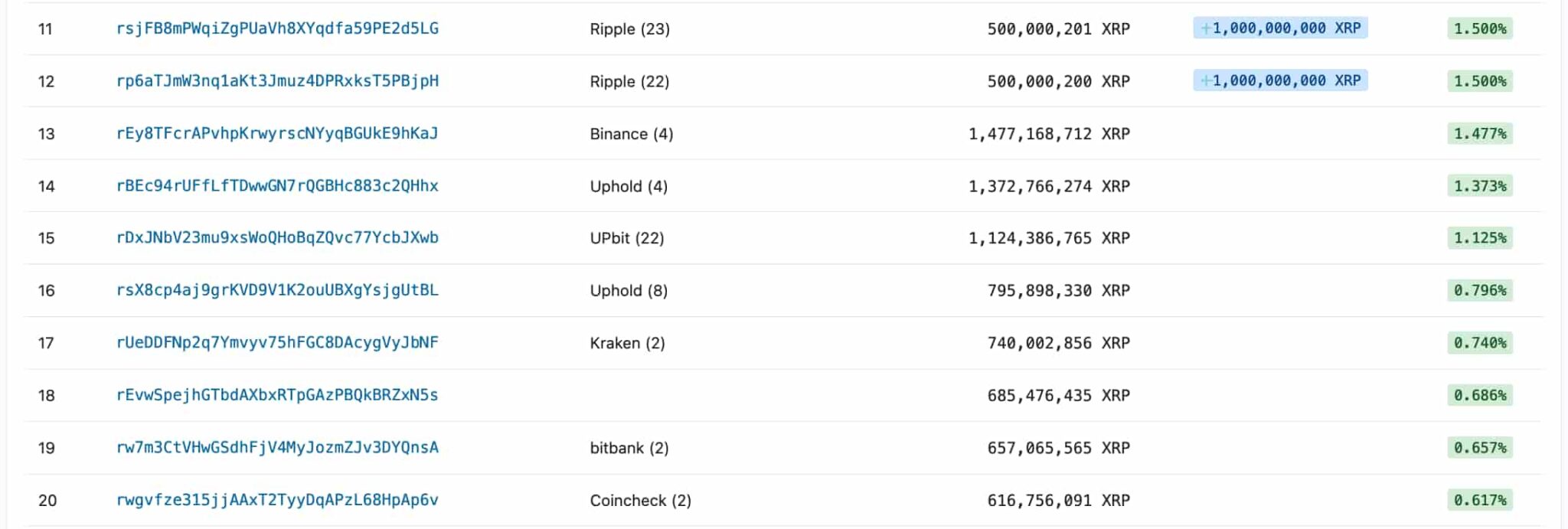
XRP is a digital asset designed to facilitate fast and cost-effective cross-border transactions. As a part of the broader cryptocurrency market, XRP operates on the Ripple network and provides a solution for traditional banking inefficiencies. The importance of XRP lies not only in its technological foundations but also in its potential to revolutionize how financial institutions handle transactions globally.XRP offers several advantages over traditional banking systems, notably its speed and lower transaction costs.
While bank transfers can take days and involve high fees, XRP transactions typically settle in mere seconds, at a fraction of the cost. This efficiency makes XRP particularly significant for businesses and individuals engaged in cross-border transactions, as it can reduce the complexities and costs associated with international money transfers.
List of Companies Utilizing XRP
Numerous companies have adopted XRP to streamline their payment processes and enhance liquidity. The integration of XRP into payment systems signifies a growing recognition of its value in the financial sector.
- Ripple Labs - The creator of XRP, Ripple Labs, utilizes the asset to facilitate instant global payments.
- MoneyGram - This financial services company has integrated XRP into its payment solutions to enhance liquidity and reduce costs.
- Bitstamp - A cryptocurrency exchange that supports XRP trading and offers it as a payment option.
- Coins.ph - A Philippines-based financial services platform allowing users to pay bills and transfer money using XRP.
- Flare Networks - A blockchain platform that utilizes XRP for smart contracts and decentralized applications.
Financial institutions are increasingly adopting XRP as a liquidity solution. By using XRP, banks can provide seamless cross-border transactions without the need for pre-funding accounts in destination currencies. Businesses are also beginning to accept XRP directly as a form of payment, catering to the growing demand for digital currencies.
Case Studies of XRP Adoption
There are several notable case studies showcasing how companies have successfully implemented XRP into their operations. One significant case is MoneyGram, which has leveraged XRP to process cross-border payments more efficiently. The integration has allowed MoneyGram to offer faster services and achieve considerable cost savings. Challenges faced included regulatory compliance and initial technological integration, but the benefits have outweighed these hurdles, particularly in transaction speed and customer satisfaction.In another example, a major remittance company reported a 40% reduction in transaction costs after adopting XRP.
Important metrics used to measure success included transaction completion times and customer feedback ratings. These case studies underscore the practical benefits of XRP in real-world applications.
Regulatory Environment Impacting XRP-Related Companies
The regulatory environment surrounding XRP and its related companies is dynamic and evolving. Currently, various jurisdictions are assessing how to classify XRP, which has implications for its use in financial transactions.Potential changes in regulations could significantly impact how companies utilize XRP. For instance, stricter guidelines could affect liquidity solutions or impose additional compliance costs on businesses utilizing XRP. Companies are adapting by ensuring they meet local regulations and preparing for potential changes in the regulatory landscape.To remain compliant, businesses are investing in legal assessments and engaging with regulators.
This proactive approach helps them navigate the complexities of using XRP while minimizing legal risks.
Future Trends for XRP and Its Related Companies
Looking ahead, several future trends may shape the landscape for companies working with XRP. Increased adoption of blockchain technology across industries is likely to enhance the utilization of XRP in payment systems. Emerging technologies, such as artificial intelligence and the Internet of Things (IoT), could further influence how XRP is integrated into business solutions. For example, automated payment systems leveraging XRP may become more common, driven by efficiency and demand for real-time transactions.Market demands, particularly for faster and cheaper cross-border transactions, will likely continue to shape the future of XRP-related companies.
Businesses that adapt to these demands by integrating XRP into their offerings may gain a competitive edge.
Investment Opportunities in XRP-Related Companies

The ecosystem of XRP-related companies presents numerous investment opportunities. As more businesses adopt XRP, investors may find potential growth in companies that are leading the charge in this space.The key risks associated with investing in XRP-related companies include regulatory uncertainties and market volatility. However, the rewards can be substantial, particularly for early adopters of the technology who can leverage XRP's efficiencies.
Successful investments in the XRP space often stem from companies that demonstrate strong market positioning and innovative solutions.For example, investments in Ripple Labs and its partnerships with financial institutions have attracted significant attention due to their potential for growth in the digital asset space.
Comparisons with Other Cryptocurrencies
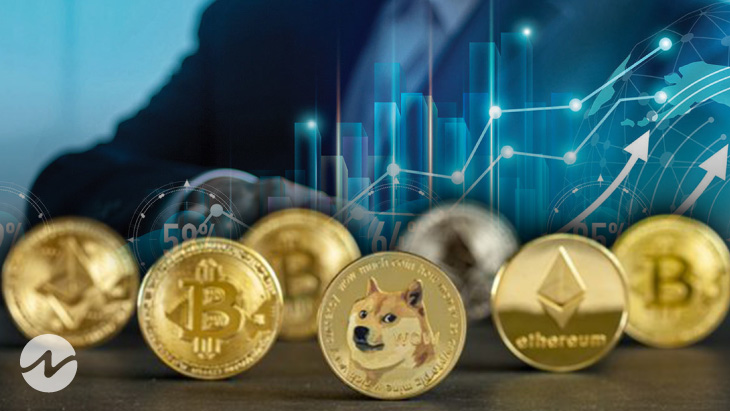
When comparing XRP with other prominent cryptocurrencies like Bitcoin and Ethereum, several distinct features emerge. XRP offers faster transaction speeds and significantly lower fees than Bitcoin, which is often criticized for its slow confirmation times during peak demand.In relation to Ethereum, XRP provides a more focused utility specifically for financial transactions, whereas Ethereum is primarily known for its smart contract capabilities.
The advantages of XRP include its capacity to facilitate instant cross-border payments and its partnerships with established financial institutions, which enhance its credibility in the market.Market perceptions of XRP can vary, but its technological advantages and established use cases often position it favorably against other digital assets.
Technological Innovations Supporting XRP
Technological advancements play a crucial role in enabling XRP transactions and enhancing its overall effectiveness. The Ripple network utilizes a consensus algorithm that allows for quick transaction confirmations, distinguishing it from traditional proof-of-work systems used by Bitcoin.Blockchain technology underpins XRP's functionality, providing a decentralized framework that ensures security and transparency in transactions. Innovations such as liquidity hubs and on-demand liquidity are poised to further improve XRP's application in global payments.The continued development of technologies that support XRP, including enhancements in scalability and transaction speed, will be critical in solidifying its position in the cryptocurrency landscape.
Epilogue
In conclusion, the rise of XRP related companies signals a significant shift in the financial ecosystem. By embracing this innovative digital asset, businesses are not only improving their operational efficiency but also positioning themselves for future success in an increasingly competitive market. As regulatory frameworks adapt and technology continues to evolve, the potential for XRP and its associated companies is boundless.
Key Questions Answered
What is XRP and why is it important?
XRP is a digital currency designed for quick and cost-effective cross-border transactions, positioning itself as a bridge currency in the cryptocurrency market.
Which companies are currently using XRP?
Several companies, including financial institutions and payment platforms, have integrated XRP to enhance liquidity and streamline transactions.
How does regulatory compliance affect XRP related companies?
Regulatory compliance is crucial as it dictates how companies can use XRP, influencing adoption rates and operational strategies.
What are the potential risks associated with investing in XRP related companies?
Investing in XRP related companies can involve risks such as market volatility, regulatory changes, and technological challenges.
How does XRP compare with Bitcoin and Ethereum?
XRP offers faster transaction speeds and lower costs compared to Bitcoin and Ethereum, making it a more efficient option for certain use cases.