Blockchain Addresses The Key To Understanding Digital Assets
Blockchain addresses serve as the unique digital identifiers for users within the expansive world of cryptocurrencies. These addresses enable secure transactions and interactions on blockchain networks, playing a pivotal role in the transfer of assets. As more people dive into the world of digital currencies, understanding the intricacies of blockchain addresses becomes essential.
From public and private addresses to their various formats, the landscape of blockchain addresses is rich with information. Users need to grasp how these addresses are generated, their uses, and the security measures that protect them. This knowledge not only enhances transaction efficiency but also safeguards user privacy in an increasingly digital economy.
Understanding Blockchain Addresses
Blockchain addresses are fundamental components of blockchain technology, serving as unique identifiers for users participating in transactions. They are essential for the transfer of cryptocurrencies, acting as the sender’s and receiver’s digital locations on the blockchain. Each address has a unique format and plays a vital role in ensuring the security and efficiency of transactions.There are primarily two types of blockchain addresses: public and private.
Public addresses can be shared openly, allowing others to send cryptocurrencies to their owners. In contrast, private addresses are meant to be kept secret, as they provide access to the funds associated with a public address. Understanding the structure of these addresses is crucial; they generally consist of a series of alphanumeric characters that identify a user on the blockchain.
Creation of Blockchain Addresses
Generating blockchain addresses can be accomplished through various methods, often facilitated by cryptocurrency wallets. A wallet serves as a digital interface allowing users to create and manage their blockchain addresses securely. The process typically involves selecting a wallet service, creating an account, and following the steps to generate a new address.To create a blockchain address using a popular wallet, follow these steps:
- Choose a reputable wallet provider, such as Coinbase, Binance, or MetaMask.
- Sign up for an account and verify your identity if required.
- Navigating to the ‘Wallet’ section, select the option to create a new address.
- The wallet will automatically generate a unique blockchain address for you.
- Store this address securely, as it will be needed for sending and receiving cryptocurrencies.
Uses of Blockchain Addresses
Blockchain addresses serve several primary functions in the ecosystem of cryptocurrencies. They are crucial for conducting transactions, allowing users to send and receive digital currencies seamlessly. When a user wants to send cryptocurrency, they enter the recipient’s blockchain address, ensuring that the funds are directed appropriately.In decentralized applications (dApps), blockchain addresses play a pivotal role as well. Users interact with smart contracts and decentralized services using their addresses, which facilitate secure transactions without the need for intermediaries.
This enhances the overall user experience and fosters trust within the blockchain ecosystem.
Security Aspects of Blockchain Addresses

While blockchain addresses provide a secure means of transacting, there are inherent risks associated with their use. Users can face threats such as phishing attacks, loss of private keys, and address tampering. It is essential to adopt best practices for securing blockchain addresses, which include using hardware wallets, enabling two-factor authentication, and regularly updating wallet software.Losing access to a blockchain address can have severe implications.
If a user loses their private key or forgets their password, the funds associated with that address become permanently inaccessible. This highlights the importance of safeguarding access credentials diligently.
Blockchain Address Formats
Different blockchain networks utilize various address formats. For instance, Bitcoin addresses typically start with a “1” or “3,” while Ethereum addresses begin with “0x” followed by a string of alphanumeric characters. The following table illustrates the attributes of common blockchain address formats:
| Cryptocurrency | Address Format | Example |
|---|---|---|
| Bitcoin | 1A, 3A | 1BvBMSEYstWetqTFn5Au4m4GFyFe3Z8z7D |
| Ethereum | 0x | 0x32Be343B94f860124dC4fEe278FDCBD38C102D88 |
| Litecoin | L | LZ9j7uPW1k5xB5w2GqgLiZ5XiykFZRbZg3 |
Address Reuse and Privacy Considerations
Address reuse in blockchain transactions poses significant privacy risks. When multiple transactions are linked to the same address, they can be traced back to the user, compromising anonymity. To enhance privacy, users should generate new addresses for each transaction, helping to obfuscate their financial activities.Methods to improve privacy include using privacy-focused wallets, implementing coin mixing services, and adopting decentralized identity solutions.
These strategies contribute to a more secure and private user experience in the blockchain space.
Future Developments in Blockchain Addressing
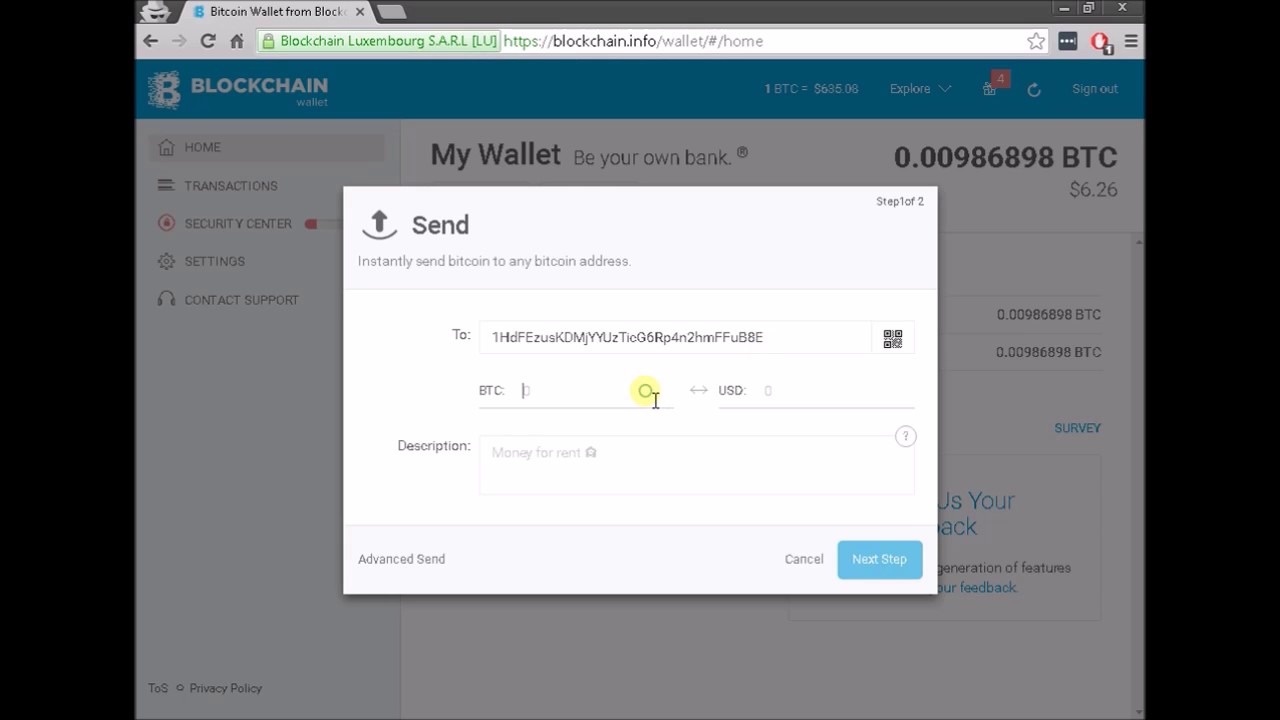
Emerging trends in blockchain address technology are paving the way for more efficient and user-friendly solutions. Innovations such as address aliasing, where users can use easily memorable names instead of long alphanumeric strings, are gaining traction. This could significantly enhance user experience by simplifying the process of sending and receiving cryptocurrencies.Furthermore, there is potential for improved address management solutions that streamline how users create, store, and utilize their blockchain addresses.
As the blockchain ecosystem evolves, these advancements may lead to enhanced security protocols and better overall functionality for users.
Final Conclusion

In summary, blockchain addresses are fundamental to the operation and security of transactions in the cryptocurrency ecosystem. Through understanding their structure, creation, and security aspects, users can navigate the digital asset landscape with confidence. As the future of blockchain technology unfolds, staying informed about developments in addressing will be crucial for anyone looking to engage with this innovative financial frontier.
Questions and Answers
What is the difference between public and private blockchain addresses?
Public addresses are visible to everyone and can receive funds, while private addresses are kept secret and are used to sign transactions securely.
Can I use the same blockchain address for multiple transactions?
Yes, but reusing addresses can compromise privacy; it’s generally recommended to use a new address for each transaction.
What happens if I lose access to my blockchain address?
If you lose access, you cannot recover the funds associated with that address unless you have a backup of your private keys.
Are blockchain addresses entirely anonymous?
No, while they provide a level of privacy, transactions can be traced on the blockchain, and with enough information, identities can be linked to addresses.
How can I enhance the privacy of my blockchain transactions?
You can enhance privacy by using new addresses for each transaction, utilizing privacy-focused wallets, or employing mixing services.